
Difference Between Fast Turn Flex PCB and Standard Flex PCB
Flexible printed circuit boards (PCB) adapt to the unique contours of a product or system. These thin, pliable materials are used to connect copper layers and provide functionality in various electronics systems. Flexible PCBs can be manufactured in a wide range of complexity levels. From single-sided flex to multilayer flex, the most complex designs can be produced using these flexible materials. Rigid flex is an alternative to flexible PCB and is ideal for applications that require rigidity and durability. Rigid-flex is constructed of a combination of flexible and rigid parts that are bonded together to provide a robust structure.
Both flexible and rigid-flex PCBs are fabricated from high-quality polyimide substrate material. PI film has superior resistance to humidity and tears, making it the perfect choice for flex and rigid-flex PCB fabrication. Rigid-flex PCBs also incorporate a cover lay for protection, whereas flex PCBs utilize solder masks for protection.
Fast turnaround for flex and fast turn flex pcb enables designers to rapidly iterate their designs without waiting weeks for a prototype to be fabricated. The ability to get working flex and rigid-flex PCBs in hand quickly accelerates overall product development and enables engineering teams to progress to software integration, testing, certification, etc much sooner than they would be able to without fast-turn PCBs.
Rapid flex and rigid-flex PCB prototyping is made possible by advancements in flexible PCB manufacturing processes and optimized order fulfillment workflows between designers and manufacturers. In addition, a wide variety of quality standards are maintained for all flex and rigid-flex PCBs including rigorous processing controls, automated testing, and DFM review tools to ensure reliability.
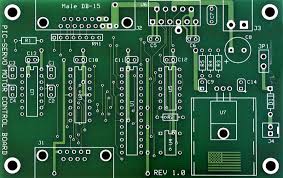
What Is the Difference Between Fast Turn Flex PCB and Standard Flex PCB?
The most prevalent factor that delays quick-turn flex PCB delivery is providing design files with incomplete data sets. To speed up the process, a comprehensive set of Gerber formatted data should be provided to your supplier. The minimum data set includes the fab drawing, spec sheet, and PCB stack-up.
Choosing a PCB fabricator with an efficient sourcing and production infrastructure is another way to reduce the time it takes for your flex or rigid-flex PCBs to be manufactured. An established, dedicated flex and rigid-flex manufacturer will have a large stock of common laminate products on hand to expedite the process. They will also have a team of experts that are familiar with the ins and outs of a wide variety of fabrication processes and will be able to quickly troubleshoot issues when they arise.
Medical devices and defense programs need to bring their products to market quickly while adhering to strict quality and safety requirements. Having access to advanced flex PCB manufacturing capabilities that can produce a prototype in just days allows them to meet their tight project timelines. Combined with streamlined order fulfillment workflows between designers and manufacturers, this enables development acceleration to help them bring new products to market faster for maximum competitive advantage. If you are looking for a flex and rigid-flex PCB manufacturer that can support your demanding projects, contact XPCB today to discuss your requirements.