
What is a wholesaler?
Wholesale refers to the process of buying products in bulk directly from manufacturers and reselling them to retailers or businesses. This intermediary business model serves to bridge the gap between manufacturers and retailers by purchasing goods in large quantities at lower prices and reselling them at a marked-up cost. One of the main reasons wholesalers can offer competitive rates is that buying in bulk provides them with the leverage to negotiate lower prices with manufacturers. This enables wholesalers to pass on savings to their customers, which is especially advantageous for retailers who need to purchase large volumes to meet consumer demand.
When considering what is a wholesaler, it’s important to understand the key role they play in supply chains. Wholesalers help to streamline the distribution process, ensuring that goods are readily available for businesses to sell to the final consumer. They act as a vital link in industries ranging from food distribution to electronics, ensuring products are accessible to retail businesses without having to go directly to manufacturers, which could be cost-prohibitive or logistically challenging. For small businesses or startups, purchasing from wholesalers can provide a more manageable, cost-effective way to stock inventory.
Wholesalers generally focus on selling products in bulk. However, this doesn’t mean they sell exclusively to retailers. Many wholesalers also cater to larger institutions, such as government entities, nonprofit organizations, or even directly to consumers. For example, membership-based wholesale clubs like BJ’s Wholesale Club or Costco offer direct-to-consumer sales. Yet, even in this context, customers are required to buy in bulk. By doing so, they save money on each unit purchased, benefiting from wholesale prices that would otherwise only be available to businesses. This gives consumers access to wholesale-level pricing, but with the condition of purchasing larger quantities.
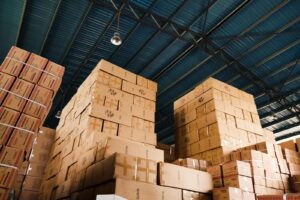
What is a wholesaler and how do they operate?
Wholesalers don’t just focus on distributing goods; they often offer additional services that can enhance their relationships with retailers. Many wholesalers provide essential services such as inventory management, storage, and logistics. These services can ease the burden on retailers, who might not have the resources to manage large volumes of stock themselves. Additionally, wholesalers may help businesses with product selection, recommending popular or trending items based on their knowledge of industry trends and market demands. They act as valuable partners to retailers, providing not only goods but also expert advice and operational support.
The operations of a wholesaler can vary greatly depending on the industry they serve. Some wholesalers specialize in a narrow category of products, like electronics or clothing, while others offer a wide range of items across multiple sectors. Regardless of the niche, the goal is always the same: to provide a reliable source of goods for businesses that need inventory at competitive prices. Wholesalers also need to stay informed about market fluctuations, trends, and consumer demands to ensure they are offering products that will appeal to their customers. This knowledge enables them to remain competitive in a crowded marketplace.
In summary, a wholesaler plays an essential role in the economy by buying products in bulk from manufacturers and selling them to retailers or sometimes directly to consumers. Understanding what is a wholesaler helps clarify how this system operates and benefits various parties within the supply chain. Whether through cost savings, operational support, or access to a wide range of products, wholesalers are indispensable in facilitating the flow of goods from manufacturers to the end consumer.