
certifications should a flexible PCB supplier have
If you’re in the market for a fast-turn flexible PCB supplier, it is important to look at their certifications. This includes a UL certificate, which acts as proof that the company follows strict protocols and adheres to industry standards when manufacturing flex PCBs. It also makes sure that the company is using high-quality materials and components for the product. These include substrates like polyimide and adhesives, as well as flex-grade PCB materials.
In addition to a UL certificate, a reputable flexible pcb supplier will have a QA system that ensures quality and consistency of products. This includes processes like first-article inspection, in-process inspections, and end-product testing. These ensure that the final product is consistent and up to standards. This also helps reduce inventory costs, which in turn improves profitability. The flex PCB manufacturing company should also have the right equipment to create quality boards. This means having a production line that is dedicated to flex circuits. This will help ensure that the board is made with the right materials and can withstand the bending required in a flex circuit.
Choosing the right flexible PCB manufacturer is crucial for bringing your innovative electronic device to life. With the right partner, you’ll be able to minimize costly errors and bring your idea to life quickly. However, you need to keep in mind that not all manufacturers are created equal. To ensure that you get the best product, choose a supplier who has a strong reputation in the industry and a track record of success with clients.
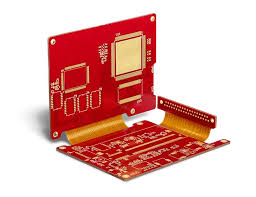
What certifications should a flexible PCB supplier have?
The right PCB supplier will be able to meet your design, engineering, and manufacturing requirements. This includes meeting IPC specifications such as IPC-A-600, IPC-J-STD-001, and IPC-TM-650. This will help to ensure that your project is completed on time and within budget. In addition, the right supplier will have a streamlined and efficient process for delivering prototypes.
A good PCB manufacturer will be able to provide a high level of service and support throughout the entire product development cycle. They’ll be able to answer your questions, address any concerns, and make suggestions that can improve the product. They’ll also be able to offer prototyping services to help you test the product before mass production.
When choosing a PCB manufacturer, consider whether they have a team of highly skilled technicians. These technicians will be able to create quality flexible circuits that will function as intended. They’ll also be able to produce prototypes in a timely manner, which will save you money and allow you to get your product to market faster.
The flexible PCB is a versatile and flexible electrical component that can be used in the Internet of Things (IoT) ecosystem to build innovative electronics devices. These include smart home gadgets and medical wearables. The flexibility of the flex PCB makes it easier to incorporate into the various shapes and sizes of IoT devices. Additionally, flex circuits can withstand physical abuse, which is essential in the healthcare industry.