
PCB Fabrication Assembly Suitable for High-Speed Data Transmission
A high-speed PCB has to handle a lot of data transmission, which requires the use of copper layers that are able to carry currents at high speeds. The thickness of the copper layers determines their current-carrying capacity and power distribution. It is therefore important that the PCB designer considers these factors when deciding on the type of circuit board to use.
In addition, the PCB design must also take into consideration electromagnetic coupling between adjacent signals on different layers of the board, which can cause interference and entanglement. This problem can be mitigated by providing sufficient part-to-part spacing between the IC components on the PCB and by using materials that are able to withstand high-speed operation.
Choosing the right material for your circuit board is another key factor in determining its assembly costs. Common pcb fabrication assembly substrates like FR-4 are cost-effective and widely used, but more specialized materials such as flexible PCB substrates or high-frequency laminates may be required for specific applications. In addition, the choice of component packages also affects costs. Choose SMDs that are cost-effective and readily available, adhere to standardized package sizes, and are compatible with automated assembly processes.
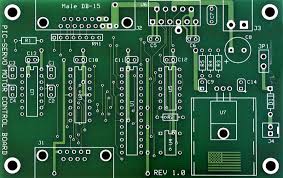
Is PCB Fabrication Assembly Suitable for High-Speed Data Transmission?
PCB thickness and layer count are other factors that can significantly impact assembly costs. Thicker copper layers offer greater current-carrying capability and heat dissipation, but they are more expensive than thinner layers. Also, selecting the right type of surface finish is crucial for ensuring a high quality assembly.
When ordering your pcb fabrication assembly, make sure that you submit all necessary documentation to the PCB manufacturer. This includes Gerber files, BOM, and assembly drawings. Incomplete or inaccurate BOMs can lead to errors during the production process, resulting in additional expenses for you and your CM.
It is also important to communicate with your CM regarding any test specifications or inspections that are required for your PCBs. Communicating these details upfront helps prevent miscommunication and ensures that your PCBs are created to the highest quality standards.
Lastly, it is important to consider the labor involved in the assembly process. Some components are easier to assemble than others, and higher-volume production runs allow for economies of scale and lower assembly costs. Likewise, the choice of surface mount technology (SMT) or through-hole components can have a significant effect on assembly costs. SMT components are more expensive to assemble than through-hole components, but they offer several advantages such as simplified design and improved reliability.
Considering these factors is essential to establishing the best possible assembly cost for your product. By following the tips above, you can reduce your assembly costs while maintaining a high-quality product. Moreover, working with a PCB manufacturer that offers comprehensive support throughout the assembly process is an effective way to manage your assembly costs. Highleap Electronic, for example, assigns a project manager and an account manager to each customer, and they stay in contact with their customers throughout the assembly process. This allows them to quickly and efficiently address any concerns that arise, minimizing product variations and ensuring that your PCBs are delivered on time.