
fast is quote trade execution
Speed is a critical factor in financial markets, particularly for traders and institutions looking to capitalize on fleeting opportunities or minimize market exposure. The method of execution chosen can have a substantial impact on the timing and outcome of a trade. Among the various execution methods available, quote trade is recognized for its potential to offer rapid and efficient execution, especially when compared to traditional exchange-based order book systems.
A quote trade typically involves a direct negotiation between a trader and a counterparty or broker. In modern markets, this process has become increasingly digitized. Rather than relying solely on voice communication or manual quote requests, many participants now use electronic Request-for-Quote (RFQ) platforms. These platforms enable traders to send a request to multiple dealers simultaneously, who then respond with firm or indicative prices. The trader can quickly evaluate these quotes and execute the trade in just a few clicks. As a result, quote trade execution on electronic systems can often be completed within seconds, making it highly competitive with other fast execution methods.
Even in cases where voice communication is still preferred—such as in complex or very large transactions—quote trade execution is usually faster than trying to work a large order through the public order book. In such situations, the trader avoids breaking the order into smaller lots, waiting for fills, or facing adverse price movements. Instead, they can receive a complete quote for the entire trade size and finalize it in a single transaction. This method significantly reduces execution time and risk.
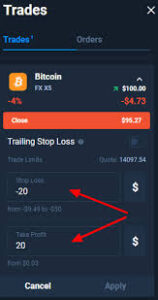
How fast is quote trade execution?
The speed of quote trade execution also comes from its simplicity and decisiveness. Unlike limit orders that may remain unfilled for an extended period depending on market movement, a quote trade represents a firm offer that can be immediately accepted or declined. This leads to a binary and quick decision-making process: either the quoted price is acceptable and the trade is executed instantly, or it is rejected and a new quote is requested. This streamlined approach eliminates the uncertainty and delay that often accompany other trading methods.
Moreover, the efficiency of quote trade execution is particularly evident during volatile market conditions. In times of heightened uncertainty, prices in the order book may fluctuate rapidly, and market depth can vanish quickly. In contrast, quote trade allows traders to lock in a fixed price swiftly, ensuring certainty and avoiding potential slippage. This is why many institutions prefer quote trade during news events or other market-moving scenarios, as it enables them to act quickly and decisively.
However, the actual speed of execution can vary based on the asset class, market infrastructure, and the responsiveness of the counterparties involved. In electronic environments such as foreign exchange or fixed income markets, quote trade execution is often nearly instantaneous. In less automated segments or when custom terms are required, the process might take longer but still remains highly efficient relative to other methods.
In essence, quote trade is designed to facilitate fast and reliable execution. Whether through electronic RFQs or traditional dealer negotiations, its primary advantage lies in the ability to secure a trade quickly, with minimal delay and full price transparency. For traders who value speed and certainty, quote trade remains a vital tool in modern market execution.