
Fast Turn PCB Manufacturing Fare in Terms of Signal Integrity
Getting a new electronic product to market is about more than just meeting deadlines – it is also about ensuring that the final products are of high quality. A key component in this is the circuit board, which is where all of the signals in a device connect to the components and transmit data. It is important to keep in mind how fast turn PCB manufacturing fare in terms of signal integrity, as there are a few different ways to get your fast turn circuit board manufacturing produced and assembled faster without sacrificing quality.
The first thing you should look for when selecting a company that offers fast turn PCBs is whether or not they can meet your exact specifications in the time frame you need. There are many manufacturers who can offer a quick turnaround, but the ones who really stand out are those that can deliver on their promises while still maintaining a high level of quality. The best way to do this is by working with a manufacturer that uses the highest quality equipment and only hires skilled, trained employees.
Next, consider what sort of manufacturing process they use to make their products. A good quality PCB requires a number of different steps, all of which need to be completed correctly in order for the final product to work properly. This includes the fabrication process, testing, and assembly. If any of these steps are done incorrectly, the result will be a defective product that will not function correctly.
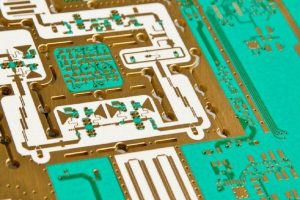
How Does Fast Turn PCB Manufacturing Fare in Terms of Signal Integrity?
You should also look at what sorts of routing techniques they use to ensure that their circuit boards are capable of handling high-speed signals. For example, microstrip and stripline routing techniques are more EMC-compliant than stubby or dummy trace techniques. It is also a good idea to use differential signal paths whenever possible, as this will improve the performance of your circuit boards.
Another important consideration is how many layers your circuit boards have. In general, fewer layers are better for signal integrity. However, if your design is very complex, then you may need to use more than two layers in order to prevent unwanted reflections and other problems. In these cases, it is crucial to carefully plan out your layer stack-ups.
Finally, when you place your orders with a fast-turn manufacturer, be sure to ask them for a DFM (Design for Manufacture) review. This will allow you to address any potential issues that could delay production. This will also allow the manufacturer to verify that the technical and material specifications are correct based on your design requirements. It is best to do this before placing your order, so that you are not surprised by any potential issues during production. Once your DFM review is complete and you have agreed on a delivery date, the production process can begin.