
How do you properly dispose of an AG10 battery?
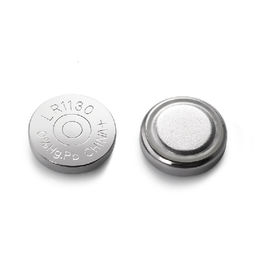
AG10 batteries, commonly used in small electronic devices such as watches, calculators, and hearing aids, provide a reliable power source. However, like all batteries, they eventually run out of charge and need to be disposed of properly. Incorrect disposal of AG10 batteries can have negative environmental impacts, as these small power cells contain chemicals and materials that can harm ecosystems and wildlife. Understanding the correct way to dispose of AG10 batteries is essential for individuals and businesses alike, and there are a few important considerations to ensure safe and environmentally friendly disposal.
Why Proper Disposal Is Important
Improper disposal of AG10 batteries, such as throwing them in the trash, can lead to environmental contamination. The materials in these batteries, including zinc and manganese dioxide, can leach into the ground or water when exposed to harsh conditions. These materials are considered toxic and can pose risks to human health and wildlife. To reduce these risks, it is vital to dispose of AG10 batteries through proper recycling methods that minimize their environmental impact.
Steps for Disposing of AG10 Batteries
1. Check Local Recycling Regulations
The first step in properly disposing of an ag10 battery is to check the local recycling regulations. Many regions have strict guidelines for battery disposal, and it’s important to follow these laws to protect the environment and ensure compliance with local rules. Certain areas may have designated collection points for battery recycling, including municipal recycling centers, electronics retailers, or designated recycling bins.
2. Use Battery Recycling Programs
One of the best ways to dispose of AG10 batteries is to participate in a battery recycling program. Many retailers, including major electronics stores and hardware chains, have battery collection bins where consumers can drop off used batteries. These programs are designed to safely collect and recycle small batteries like AG10, preventing them from ending up in landfills. These programs often ensure that the batteries are taken to specialized facilities where they are disassembled and the materials are properly recycled or disposed of.
3. Look for Specialized Collection Centers
In addition to retail drop-off points, specialized collection centers may exist in your community. These centers are dedicated to recycling various electronic waste (e-waste), including small batteries like the AG10. Some local environmental organizations or community centers may also offer battery collection services. Research local recycling initiatives to find the nearest and most convenient drop-off points.
4. Avoid Throwing AG10 Batteries in the Trash
It is essential to avoid throwing AG10 batteries in the trash. Batteries should never be disposed of in household waste because they can leak harmful chemicals and contribute to pollution. Many communities have specific regulations that prohibit the disposal of hazardous materials, such as batteries, in the regular waste stream. If you’re unsure whether your community offers a collection service, contact local authorities to learn more about how to dispose of batteries safely.
Benefits of Proper Battery Disposal
Proper disposal of AG10 batteries offers several benefits:
- Environmental Protection: By recycling batteries, harmful chemicals are kept out of landfills and waterways, protecting ecosystems and wildlife.
- Resource Conservation: Recycling AG10 batteries helps recover valuable materials such as zinc and manganese, which can be reused in the production of new batteries or other products.
- Legal Compliance: In many areas, improperly disposing of batteries is illegal. By following proper disposal guidelines, you can avoid potential fines and penalties.
Businesses and Wholesale Battery Buyers
For businesses purchasing AG10 batteries in bulk, such as those sourcing batteries from platforms like Global Sources, it’s important to educate employees and customers on the proper disposal methods. Additionally, businesses can explore bulk recycling options to responsibly manage large quantities of used batteries. By following these best practices, businesses can reduce their environmental footprint and contribute to a sustainable future.
Conclusion
Proper disposal of AG10 batteries is crucial for minimizing environmental impact and protecting human health. By following local recycling regulations, using battery recycling programs, and avoiding improper disposal in the trash, we can ensure that these batteries are disposed of in an eco-friendly manner. Whether you’re an individual consumer or a business purchasing wholesale AG10 batteries, it is essential to prioritize responsible disposal and contribute to a cleaner, safer planet for future generations.