
heat dissipation in Printed circuit assembly services
Proper heat dissipation is crucial in Printed Circuit Assembly (PCA) services to ensure the reliability and performance of electronic components and assemblies. Heat dissipation refers to the process of transferring heat away from sensitive electronic components and dissipating it into the surrounding environment to prevent overheating and thermal damage. Several strategies are employed to ensure proper heat dissipation in PCA services, ranging from design considerations to material selection and thermal management techniques.
One of the primary considerations when ensuring proper heat dissipation is the design of the printed circuit board (PCB) itself. PCB layout plays a critical role in heat management, as it determines the arrangement of components and the flow of heat through the assembly. Proper component placement, including positioning high-power components away from heat-sensitive ones and providing adequate spacing between components, helps minimize thermal hotspots and promotes efficient heat dissipation.
Moreover, selecting appropriate materials for printed circuit assembly services substrates and copper layers can significantly impact heat dissipation in PCA services. High-thermal-conductivity materials, such as metal-core or ceramic substrates, help spread heat more effectively across the PCB, reducing localized heating and thermal stress on components. Additionally, using thicker copper layers or thermal vias improves heat conduction and dissipation through the PCB, enhancing overall thermal performance.
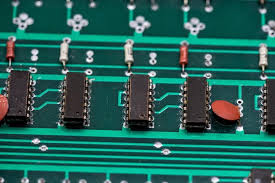
How do you ensure proper heat dissipation in Printed circuit assembly services?
Furthermore, implementing thermal management techniques such as heatsinks, thermal pads, and thermal interface materials (TIMs) helps enhance heat dissipation in PCA services. Heatsinks are passive cooling devices that absorb and dissipate heat away from hot components, such as processors or power transistors, by increasing the surface area available for heat transfer. Thermal pads and TIMs provide efficient thermal coupling between components and heatsinks, minimizing thermal resistance and improving heat dissipation.
In addition to passive cooling methods, active cooling solutions such as fans or heat exchangers can be employed to enhance heat dissipation in PCA services. Fans circulate air around electronic components, facilitating convective heat transfer and cooling. Heat exchangers, such as heat pipes or liquid cooling systems, remove heat from components and transfer it to a remote heat sink or dissipator, effectively managing thermal loads and preventing overheating.
Proper airflow management is essential for ensuring effective heat dissipation in PCA services. Adequate ventilation and airflow within electronic enclosures help remove heat generated by components and maintain ambient temperatures within acceptable limits. Strategic placement of vents, air ducts, and cooling fans optimizes airflow patterns and enhances heat transfer efficiency, preventing thermal buildup and component failures.
Furthermore, thermal simulation and modeling techniques are valuable tools for predicting and optimizing heat dissipation in PCA services. By simulating heat generation, transfer, and dissipation within electronic assemblies, manufacturers can identify potential thermal issues early in the design process and implement targeted solutions to improve thermal performance. Thermal simulation enables iterative design refinements and allows manufacturers to achieve optimal heat dissipation while minimizing material and energy costs.
In conclusion, ensuring proper heat dissipation is essential for maintaining the reliability, performance, and longevity of electronic components and assemblies in Printed Circuit Assembly services. By implementing a combination of design optimization, material selection, thermal management techniques, and airflow management strategies, manufacturers can effectively manage thermal loads, prevent overheating, and ensure the continued operation of electronic devices in demanding applications. As electronic assemblies become increasingly compact and powerful, the importance of proper heat dissipation continues to grow, driving innovation in thermal management technologies and practices.