
PCBA Printed Circuit Boards
PCBAs are used in a wide variety of electronic devices. These include TVs and radios, cell phones, cameras, computer parts like motherboards and graphic cards, and even some medical equipment and automotive machinery. To ensure that these electronics work as designed, it’s important to protect the circuit boards they’re built on. This can be done by using conformal coating, which helps prevent damage from moisture and chemical contamination and extends the life of the device.
Conformal coating can be applied manually or in automated spraying processes that use reciprocating spray heads to apply a consistent coat of material across the entire surface of the circuit board. The conformal coating can then be cured with heat or UV to fully seal the printed circuit board pcba, protecting it from moisture and other contaminants and increasing its lifespan. There are several different types of conformal coating materials on the market, each with its own set of properties and benefits. Choosing the right one for your circuit boards depends on the environment they’ll be exposed to, and the level of protection required.
In addition to reducing failure rates, conformal coating also reduces the cost of manufacturing and assembly. By allowing electronic devices to be used without housings or enclosures, this can significantly lower the overall weight and size of the product. In turn, this can save on shipping costs, and can allow for lower production costs by limiting the number of components that need to be purchased.
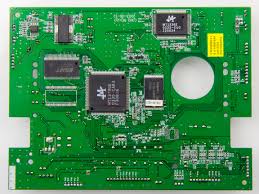
How Conformal Coating Enhances PCBA Printed Circuit Boards
A key factor in the effectiveness of conformal coating is the state of the circuit board, particularly its cleanliness. Printed circuit boards can contain a wide range of metals and other substances that can interfere with the adhesion of conformal coatings, making it essential to clean the surfaces of the PCB prior to applying them.
The choice of coating thickness is another crucial consideration. A thicker coating may provide greater protection against environmental factors, but can be more difficult to apply. The thickness of the coating should be balanced with other factors, such as the thermal properties and flexibility of the coating material.
It is recommended that a circuit board be coated before it’s assembled, to prevent any potential damage from the assembly process. This includes a careful review of the design to identify areas that need to be protected from the coating, as well as to understand how different components will interact with the coating.
It’s important to communicate your coating requirements to your manufacturer, and to make sure that they have the correct equipment to be able to comply with them. It’s also worth ensuring that you have all of the necessary components in stock, as shortages can lead to delays in production. This is especially important when assembling mission-critical, IPC class 3 devices that are ideally suited for the extra reliability provided by conformal coating.