
Development of Rigid Flex Circuits
Rigid flex circuits are a crucial component of many modern electronic devices. They offer a number of key advantages over traditional wired interconnect solutions, including increased flexibility, reduced assembly time, and improved device reliability. However, the development of rigid flex circuits requires a highly skilled workforce with specialized knowledge and experience. This can prove challenging for manufacturers in regions with a limited supply of skilled labor. As a result, the manufacturing process can take longer and increase operational costs for some companies.
To address these challenges, some companies are adopting eco-friendly production processes to reduce waste and energy consumption. For example, some companies are leveraging 3D printing to streamline the manufacturing process and minimize material waste. Others are using smart materials, such as self-healing polymers and shape memory alloys, to enhance flex PCB durability.
These trends are expected to drive demand for flexible interconnect solutions that can adapt to complex product geometries and deliver robust performance under demanding conditions. In addition, the emergence of new technologies such as 5G connectivity and Internet-of-Things (IoT) proliferation will create additional opportunities for high-performance, compact circuit designs.
The global rigid flex circuits market is estimated to reach $11 billion by 2024. This growth is fueled by a rise in the use of flexible printed circuit boards in consumer electronics, healthcare technology, and the Internet of Things (IoT). Increasing adoption of wearable tech and medical devices is another driving force for this market. Rigid flex circuits are ideal for these applications because they can be designed to fit into small spaces and conform to the shape of the human body.
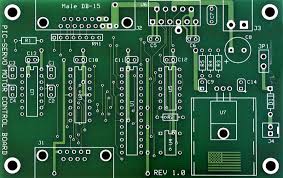
Future Trends in the Development of Rigid Flex Circuits
In the defense and aerospace sectors, rigid flex circuits are increasingly used in mission-critical applications due to their superior reliability and lightweight properties. For instance, military-grade UAVs use rigid flex circuits to improve operational efficiency and provide enhanced performance under harsh conditions. Moreover, rigid flex circuits are also used in advanced avionics and communication systems for aerospace vehicles.
Moreover, the broader trend towards sustainability within the electronics industry is encouraging companies to develop and use more environmentally friendly components and manufacturing processes. This is facilitating the growth of eco-friendly rigid flex circuits that utilize recycled materials and employ energy-efficient production methods.
The development of rigid flex circuits is evolving at a rapid pace, with numerous innovations poised to revolutionize the electronics landscape in 2024 and beyond. In order to stay ahead of the curve, engineers should be aware of the emerging trends in this space. Doing so will enable them to unlock new possibilities for compact, high-performance electronic devices that address the needs of diverse industries. Furthermore, embracing these developments will empower professionals to set new benchmarks in electronic design in the future.
While the manufacturing process of rigid-flex circuits is more complex than that of traditional PCBs, the advantages they offer make them an increasingly popular choice for advanced electronic applications. As technology continues to evolve and the demand for smaller, more powerful, and more reliable devices increases, rigid-flex circuits will continue to play a crucial role in meeting these needs.