
printed circuit boards manufacturers handle multilayer PCBs
Printed circuit boards (PCBs) have evolved significantly over the years, with multilayer PCBs becoming increasingly common in advanced electronics. As the demand for more complex and compact electronic devices rises, multilayer PCBs offer an ideal solution by allowing more circuits to be integrated into a smaller space. However, these boards are more intricate to design and manufacture than single-layer or double-layer PCBs. This raises the question: can printed circuit boards manufacturers handle multilayer PCBs? The answer is yes, but the process involves advanced technology, precision, and expertise.
Multilayer PCBs are composed of multiple layers of conductive material separated by insulating layers, and they are commonly used in applications that require high density and performance, such as smartphones, computers, medical devices, and automotive electronics. These boards typically have anywhere from four to twelve layers, though designs can sometimes include even more. The manufacturing of multilayer PCBs involves more complex steps compared to simpler board types, and printed circuit boards manufacturers must invest in specialized equipment and skilled personnel to meet the unique requirements of these boards.
printed circuit boards manufacturers that can handle multilayer PCBs typically have advanced production capabilities. The process of manufacturing multilayer PCBs involves several steps, such as layer stacking, drilling, etching, and lamination. Each layer is carefully aligned to ensure that the electrical connections are accurate and reliable. Once the layers are stacked, they are bonded together using heat and pressure to form a solid, multilayer structure. This requires highly precise machinery, such as automated drills and laser systems, which are necessary to create the tiny vias (electrical connections between layers) that are a hallmark of multilayer PCBs.
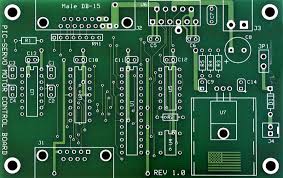
Can printed circuit boards manufacturers handle multilayer PCBs?
One of the key challenges for printed circuit boards manufacturers in handling multilayer PCBs is ensuring that the vias are correctly aligned across the layers. Misalignment can lead to defective circuits, causing the PCB to malfunction. To address this, manufacturers rely on automated optical inspection (AOI) systems and X-ray inspection technology to detect any alignment or connection issues before the board is finalized. This advanced testing helps ensure that the multilayer PCB will function as intended, even under demanding conditions.
Additionally, multilayer PCBs often require more advanced materials than simpler boards. The layers of these PCBs are typically made from materials that offer excellent electrical insulation and thermal performance, such as FR4 (a fiberglass-reinforced epoxy laminate) or polyimide. Printed circuit boards manufacturers must have access to these specialized materials and the expertise to handle them during the manufacturing process. This involves ensuring that the materials are compatible with the specific design requirements and the intended application of the final product.
Furthermore, multilayer PCBs present challenges in terms of heat dissipation. As these boards become more densely packed with components and circuits, managing heat becomes a critical concern. Printed circuit boards manufacturers often integrate heat sinks or use materials that are specifically designed for better thermal conductivity to prevent overheating. Managing these thermal issues is crucial in ensuring the reliability and longevity of multilayer PCBs.
In conclusion, printed circuit boards manufacturers are more than capable of handling multilayer PCBs, but doing so requires advanced equipment, expertise, and attention to detail. The production of these complex boards involves sophisticated processes such as layer stacking, drilling, lamination, and inspection to ensure that they meet the high standards required for modern electronic applications. As the demand for smaller, more powerful devices grows, the ability of manufacturers to produce high-quality multilayer PCBs will continue to be a key factor in the advancement of electronics.