
Large Scale Commercial Roofing Project
A commercial roofing project involves a wide variety of tasks that must be completed properly to ensure quality and safety. Managing these types of projects can be a challenge for contractors who are not experienced in the area. This is why it is important for businesses to implement best practices and techniques to minimize risk and maximize profitability.
The profitability of commercial roofing endeavors can depend on a number of factors, including project size, complexity, location, and competition. However, by implementing effective project management techniques, optimizing material procurement, and diversifying services, Commercial Roofing contractors can achieve profitable results.
Developing strong relationships within the industry can lead to lucrative opportunities for businesses. By building connections with architects, engineers, and suppliers, companies can gain access to larger projects that may otherwise be out of reach. Investing in technology and innovation can also enhance operational efficiency and profitability by streamlining processes and improving accuracy. Tools such as drone surveys and thermal imaging can help reduce overhead costs and improve productivity.
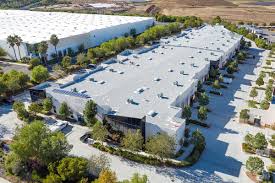
How to Manage a Large Scale Commercial Roofing Project
Maintaining productive lines of communication between the client, architect, and contractor can help mitigate misunderstandings, schedule delays, and budget issues. Regular on-site meetings and progress reports can keep everyone informed of the status of the project.
Having proper storage facilities can help prevent damage and theft while keeping equipment, supplies, and materials organized. It is a good idea to invest in a storage unit to hold shingles, roof trusses, and other large items that are needed for a Barrie Roofing project. Additionally, it is important to keep tools and dangerous items away from the edge of the roof to avoid any accidents and injuries.
The quality of materials used in a roofing project can greatly impact its durability and lifespan. Choosing high-quality materials that are designed to withstand environmental factors can reduce warranty claims, boost customer satisfaction, and increase profits in the long run. It is also a good idea to provide ongoing maintenance services to help clients protect their investment and prolong the life of their roofs.
Employee management is crucial to the success of a commercial roofing business. Providing consistent and meaningful feedback, recognition, and rewards can motivate employees to perform their best and meet customer expectations. Using a platform such as Broadly can also make it easy for managers to track performance and deliver personalized service to each customer.
One of the most important aspects of commercial roofing is ensuring that all work is completed according to the plans and specifications of the client. Mistakes can be costly for both the contractor and the property owner, so it is critical to have thorough quality control procedures in place. This includes establishing clear expectations with the client, identifying and addressing any potential problems, and creating a timeline to ensure that all deadlines are met.
Keeping up with industry standards and regulations is essential for avoiding penalties, accidents, and litigation. By implementing safety protocols and providing regular training to employees, roofing contractors can protect the wellbeing of their workers and safeguard profitability.