
Use a reformer bed each session
The reformer is one of the large pieces of equipment that you might find in a Pilates studio alongside the Pilates barrel, the Pilates trapeze table and the Pilates chair. Although it looks like a torture machine complete with springs and straps, the reformer offers a unique strength-building full body workout that is different from mat Pilates. Reformer exercises involve pushing and pulling with the arms and legs against the resistance of the carriage, springs and your own weight.
A reformer consists of a bed-like rectangular frame that is usually either wood or metal, with a padded platform called the carriage attached to hidden runners at one end. The carriage can slide up and down the length of the frame, offering varying resistance depending on the springs used. The reformer also has a foot bar at the end of the frame for you to place your feet in and long straps with handles that you can place your hands in to, both of which are adjustable so that you can customize the exercise for your body type and skill level.
You will often do Pilates exercises while lying down on the reformer, however the reformer allows you to work in many other positions including seated, on one or both sides, kneeling and on all fours (on a Pilates box atop the reformer). The coloured springs used on the reformer can offer varying levels of resistance so that it can be modified for every client.
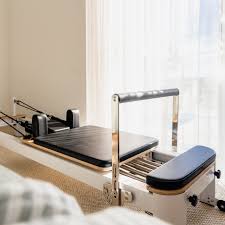
How long should I use a reformer bed each session?
The exercises performed on the reformer build core muscles as well as strength and flexibility in the arms, shoulders, hips, knees, ankles, and core. They can be quite challenging, but the resistance of the springs and carriage make them a great option for people with injuries as they can still get a good workout without over-recruiting muscles or using the wrong ones to cheat their way through the movement.
If you haven’t experienced Pilates on the reformer before, your instructor will guide you through a series of exercises. Beginners should start with the footwork series while lying down on the bed, which will strengthen and stabilize the feet, improve balance and posture, and help relieve pain from common conditions such as plantar fasciitis. Headrest: A padded area at one end of the reformer bed that provides support to the head and neck during exercises. Some reformers include an adjustable headrest for additional comfort. Frame: The structure of the reformer bed, typically made of metal or wood, that houses all the components and supports the moving carriage.
A few private Reformer Pilates sessions with a certified instructor or group classes in a Pilates studio will help familiarize you with the different parts of the equipment and give you confidence to take on more challenging exercises. Eventually, you will be ready to move onto more advanced Pilates moves such as the leg circles. When starting with this advanced exercise, be sure to use a lighter spring weight so that you don’t overwork your body.