
significance of the substrate in a contract electronic assembly
The substrate in a contract electronic assembly holds critical significance due to its foundational role in the construction and performance of electronic devices. Acting as the base upon which all electronic components are mounted, the substrate influences various aspects of the assembly, including mechanical support, electrical performance, thermal management, and overall reliability. Understanding the importance of the substrate is essential for appreciating how it impacts the efficiency and quality of electronic assemblies.
Primarily, the substrate provides mechanical support for the electronic components. In most assemblies, printed circuit boards (PCBs) serve as the substrate, constructed from materials like fiberglass-reinforced epoxy resin (FR-4). This material offers excellent mechanical strength, ensuring that the delicate electronic components are securely anchored and protected from physical damage. The robustness of the substrate is crucial for maintaining the integrity of the assembly, especially in applications subjected to mechanical stresses such as vibrations or impacts.
Electrically, the substrate plays a vital role in creating and maintaining the circuit pathways. The conductive traces etched onto the substrate are typically made of copper, facilitating the flow of electrical signals between components. The substrate must provide excellent insulation between these conductive paths to prevent short circuits and signal interference. The choice of substrate material significantly affects these electrical properties. For instance, FR-4 is popular due to its good dielectric properties and low cost, while high-frequency applications might require substrates with lower dielectric loss, such as ceramic or PTFE-based materials.
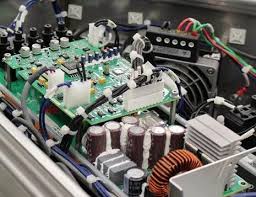
What is the significance of the substrate in a contract electronic assembly?
Thermal management is another critical function of the substrate in contract electronic assembly. Electronic components generate heat during operation, and effective dissipation of this heat is necessary to prevent overheating and ensure reliable performance. Substrate materials with good thermal conductivity help in spreading and dissipating heat efficiently. For high-power applications, substrates like metal-core PCBs (MCPCBs) or those incorporating thermally conductive layers are used to enhance heat dissipation. Proper thermal management extends the lifespan of components and maintains the stability of the assembly under varying operational conditions.
The substrate also influences the miniaturization and integration of electronic assemblies. Advances in substrate materials and fabrication techniques have enabled the development of multi-layer PCBs, which allow for more complex and compact circuit designs. Multi-layer substrates can accommodate higher component densities by providing multiple layers of circuit traces, reducing the footprint of the assembly. This capability is crucial in modern electronics, where space is often at a premium, such as in smartphones, medical devices, and wearable technology.
Furthermore, the substrate’s reliability and durability directly impact the overall reliability of the electronic assembly. The substrate must withstand environmental factors such as humidity, temperature variations, and chemical exposure without degrading. High-quality substrate materials resist these environmental stresses, ensuring long-term performance and reducing the likelihood of failures. Substrates with enhanced properties, such as improved moisture resistance or flame retardancy, are chosen for specific applications to meet stringent reliability requirements.
In summary, the significance of the substrate in a contract electronic assembly cannot be overstated. It provides mechanical support, influences electrical performance, aids in thermal management, enables miniaturization, and ensures the reliability of the assembly. The careful selection and design of the substrate are fundamental to the success of electronic devices, impacting their performance, durability, and overall quality. As technology advances and the demand for more sophisticated electronic assemblies grows, the importance of the substrate will continue to be a focal point in the design and manufacturing processes.