
flexible pcb board more expensive than rigid ones
Flexible PCBs (Printed Circuit Boards) have become a critical component in many modern electronic devices due to their versatility and ability to conform to complex shapes. However, one of the most common considerations when choosing between flexible and rigid PCBs is cost. Generally, flexible PCBs are more expensive than their rigid counterparts, and this price difference is influenced by several factors.
One of the primary reasons flexible PCBs tend to be more expensive is the cost of materials. flexible pcb board are typically made from high-quality, flexible substrate materials like polyimide or polyester. These materials are more costly than the FR-4 fiberglass epoxy used in rigid PCBs. Polyimide, for instance, offers excellent thermal stability and flexibility but comes at a higher price. Additionally, the copper used in flexible PCBs often requires special treatments to maintain adhesion and flexibility, further increasing material costs.
The manufacturing process for flexible PCBs is more complex and delicate compared to rigid PCBs. Flex PCBs require additional steps to handle the flexible substrate without causing damage. Specialized equipment and techniques are necessary to ensure precision and quality, which adds to the overall manufacturing cost. Processes such as roll-to-roll processing, precise layer lamination, and careful handling during etching and drilling all contribute to the increased cost of production.
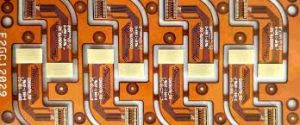
Are flexible pcb board more expensive than rigid ones?
Flexible PCBs often need to be designed with greater complexity due to their intended applications. The design must account for mechanical stresses, bending, and flexing that the board will endure during its use. This involves more sophisticated design software and simulation tools to predict how the PCB will behave in its operational environment. The need for additional design considerations, such as optimizing trace layouts to prevent cracking and incorporating reinforcement materials like stiffeners, can also add to the development cost.
Assembling flexible PCBs requires specialized processes to prevent damage during the assembly phase. Flexible substrates can be more difficult to handle, requiring custom fixtures and tooling to hold the boards in place during component placement and soldering. The soldering process itself must be carefully controlled to avoid damaging the flexible material. Furthermore, flexible PCBs often need extensive testing to ensure reliability under conditions of bending and flexing, which can be more time-consuming and costly than the testing required for rigid PCBs.
Production volume also plays a significant role in the cost difference between flexible and rigid PCBs. Rigid PCBs have been the standard for many years and are produced in large quantities, benefiting from economies of scale. In contrast, flexible PCBs are often manufactured in smaller batches, which can drive up the per-unit cost. As demand for flexible PCBs grows and production volumes increase, it is possible that the cost gap may narrow, but currently, rigid PCBs generally benefit from lower production costs due to higher volumes.
The specific application for which the PCB is designed can also influence costs. Flexible PCBs are often used in high-end, specialized applications where their unique properties are indispensable, such as in medical devices, aerospace, and advanced consumer electronics. These applications typically have higher performance and reliability requirements, justifying the additional expense. In contrast, rigid PCBs are more commonly used in applications where flexibility is not a critical factor, and cost efficiency is a priority.
In summary, flexible PCBs are generally more expensive than rigid PCBs due to the higher costs of materials, more complex manufacturing processes, sophisticated design requirements, specialized assembly and testing, and smaller production volumes. While flexible PCBs offer significant advantages in terms of design flexibility, space savings, and mechanical properties, these benefits come at a higher price. However, for applications where these advantages are critical, the investment in flexible PCBs is often justified, providing functionality and performance that rigid PCBs cannot match.