
Circuit Board Be Used in Renewable Energy
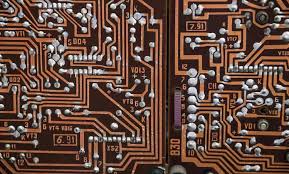
The circuit board is a flat piece of material that holds and connects all the electronic components that make a device work. This includes things like resistors, capacitors, transistors, diodes and more. It is also the basis for the conductive pathways that allow electrical current to flow.
The modern world depends on devices that use advanced electronics. These include things like computers, mobile phones and even renewable energy systems. Whether they’re used in homes, power plants or cars, these machines have complicated electronics that are powered by printed circuit board (PCBs). PCBs help ensure that these devices perform at their best.
Fortunately, there are newer technologies that are helping the electronic contract manufacturing industry produce green PCBs. The use of green materials reduces the impact that these electronic devices have on the environment. The goal is to provide consumers with a safe, reliable and environmentally friendly alternative to traditional devices that are made from lead or other toxic materials.
Can Circuit Board Be Used in Renewable Energy Systems?
There are a number of things that must be considered when creating a green PCB, but the most important is reliability. The devices that are built on these boards are responsible for providing clean energy to the planet, so they can’t afford to fail or give out poor performance. This is why the top fabricators are working hard to improve their design processes and create more durable boards.
In addition to reliability, green PCBs must also be able to withstand harsh climatic conditions. This is especially true for solar and wind power devices. The extreme changes in temperature and moisture can affect the functioning of these devices. The use of rugged materials can help ensure that the PCBs can withstand these conditions.
Another thing to consider when making a green PCB is size. This is particularly important for solar power devices, which must have room for batteries that store the energy collected during the day. The use of smaller PCBs can help reduce the amount of space needed for these devices, reducing the overall cost and environmental impact. The same is true for other components that are used in these types of devices, such as sensors. These sensors detect the change in environmental conditions and convert that information into an electrical signal that is sent to other components in the device. In this way, the devices can react to the changing conditions and make adjustments as necessary. This is an essential part of the renewable energy industry’s continued growth and success.
Circuit boards, also known as printed circuit boards (PCBs), are the backbone of modern electronics. They serve as the platform upon which electronic components are mounted and interconnected to form functional circuits. From the simplest electronic devices like calculators to the most complex ones such as smartphones and computers, circuit boards are omnipresent, silently facilitating the flow of electrons that power our digital age.